
The Director’s Reality Check: What Actually Matters Right Now
If you’ve been directing for a while, you can feel the shift.
Not in headlines. On set.
Days are moving faster. Crews are smaller. Expectations haven’t dropped—but the margin for error definitely has. You’re being asked to do more with less, and still make it look like you had everything.
That’s the job now.
This isn’t about chasing trends. It’s about understanding what’s actually changing and adjusting before it costs you time, money, or credibility.

Speed Is the New Currency
The biggest change isn’t creative—it’s operational.
Everything moves faster now:
Shorter prep
Tighter shoot days
Quicker turnarounds
There’s less patience for indecision. If you’re still figuring things out on set, you’re already behind.
Good directors used to have time to explore. Now you need to walk in with answers.
What that means:
You don’t get to “find it later” anymore.
You need to know:
What matters in the scene
What coverage you actually need
Where you can afford to simplify
Clarity saves you. Hesitation costs you.
Nobody Cares How “Cinematic” It Looks
At least not the way they used to.
Clean images, shallow depth of field, smooth camera moves—that’s baseline now. Everyone has access to it.
What people respond to is intention.
Why this frame? Why this movement? Why this performance?
If those answers aren’t clear, no amount of polish is going to fix it.
What that means:
Stop trying to impress people with the look.
Make choices that feel specific to the story. Sometimes that means pulling things back, not layering more on.
The work that stands out right now feels deliberate, not decorated.
Smaller Crews, Bigger Responsibility
Lean crews aren’t a trend, they’re the norm.
You’ll have fewer people, less time, and more pressure to deliver something that still feels elevated.
That shifts more weight onto the director.
You can’t rely on a bloated process to figure things out anymore. Every department is moving fast, and they’re looking to you for direction that actually holds up.
What that means:
Prep is non-negotiable
Communication needs to be direct, not vague
You need department heads who can think, not just execute
If your vision isn’t clear, the cracks show immediately.
Over-Shooting Is Hurting More Than Helping
There’s a habit a lot of directors still fall into...cover everything, just in case.
That used to be a safety net. Now it’s a liability.
More footage means:
Slower days
More complicated edits
Less clarity in the final piece
The directors who are working consistently right now are decisive. They shoot what they need and move on.
What that means:
Know your edit before you shoot.
You don’t need every angle. You need the right ones.
Restraint is becoming a real advantage.
“Real” Is Beating “Perfect”
There’s a noticeable shift happening in the work that’s landing.
Less polished. More grounded. A little rough around the edges.
Not because people can’t make things look perfect but because perfect is starting to feel generic.
Real environments. Natural light. Performances that aren’t over-directed.
It feels closer, more immediate.
What that means:
Don’t sand down everything that has texture.
Sometimes the imperfect version is the one people actually believe.
Your job isn’t to make everything flawless, it’s to make it feel true.
Waiting Is the Fastest Way to Stall Out
A lot of directors are still waiting for the right project, the right budget, the right opportunity.
That wait can stretch longer than you expect.
The ones moving forward are the ones who keep making things...smaller projects, faster turnarounds, less overthinking.
Not everything needs to be a statement piece.
What that means:
Momentum matters more than perfection.
Every finished project teaches you something you don’t get from planning.
If you’re not shooting, you’re not improving.
This Is a Discipline Game Now
The barrier to entry is lower. The competition is higher. The expectations are sharper.
What separates working directors right now isn’t access to gear or budget.
It’s discipline:
Being prepared
Making decisions quickly
Knowing what actually matters in a scene
The job hasn’t gotten easier. It’s just less forgiving.
If you can adapt to that, stay clear, stay efficient, stay intentional then you’re not chasing the industry.
You’re operating in it.
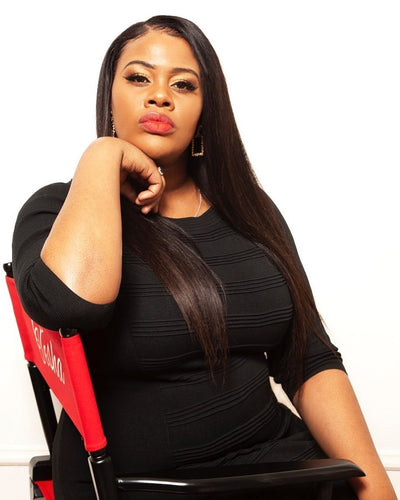
And when everything on set is moving this fast, even the small things matter like having a chair that actually holds up through long days, quick resets, and unpredictable locations. That’s the kind of practical detail that doesn’t get talked about enough, but every working director understands.
If you’re building a workflow that’s lean, mobile, and ready for anything, it’s worth checking out what’s available at Filmcraft LA because the gear you rely on should move at the same pace you do


Leave a comment